

Philadelphia Orchestra Musicians Protect Their Hearing and Their Craft
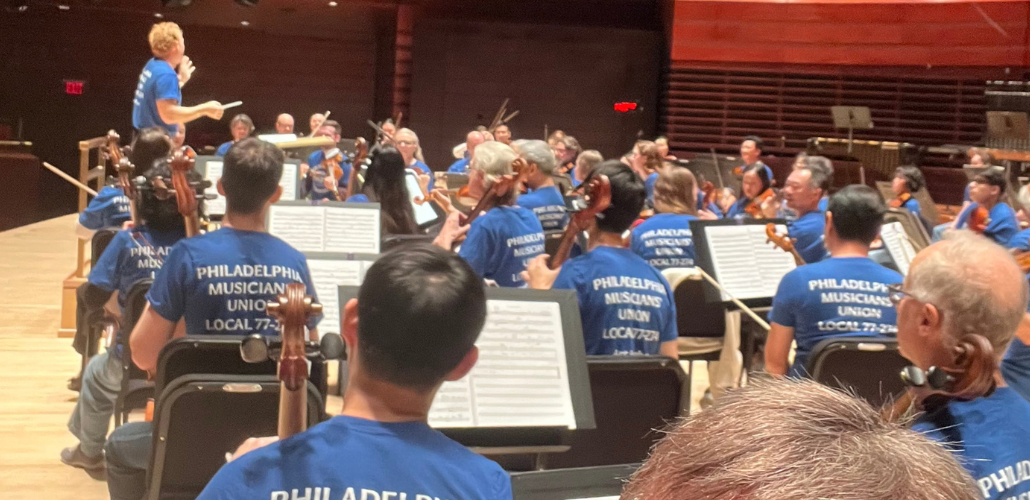
Philadelphia Orchestra musicians have won first-in-the-nation protections against hearing loss. The groundbreaking provisions, which could serve as a model for other orchestras, are part of a contract just ratified by Musicians (AFM) Local 77-274.
They also secured a raise of almost 13 percent over three years, which will help keep pace with inflation and attract high-quality artists. But for the musicians, the most important gains related to their working conditions and artistic integrity.
Jackson Transit Workers Win Strike, Save Saturday Service
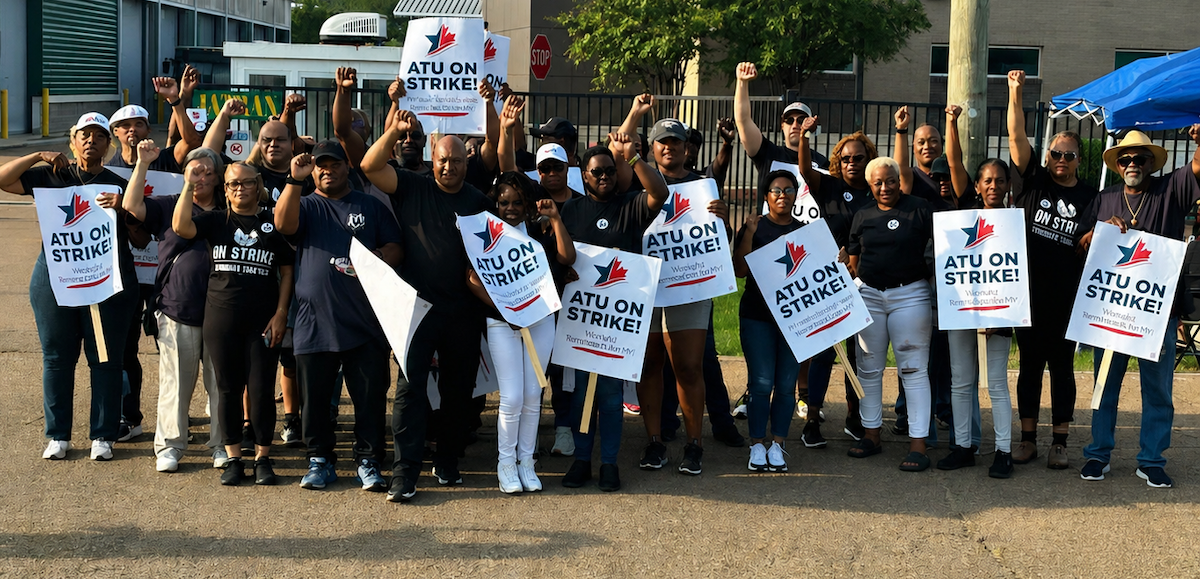
Eighty public transit workers in Jackson, Mississippi, have won a tentative agreement with MV Transportation, after a grueling five-week strike. The transit workers represented by ATU Local 1208 garnered public support and were able to win most of their major demands.
Mississippi Transit Workers Strike for Better Protections and Service
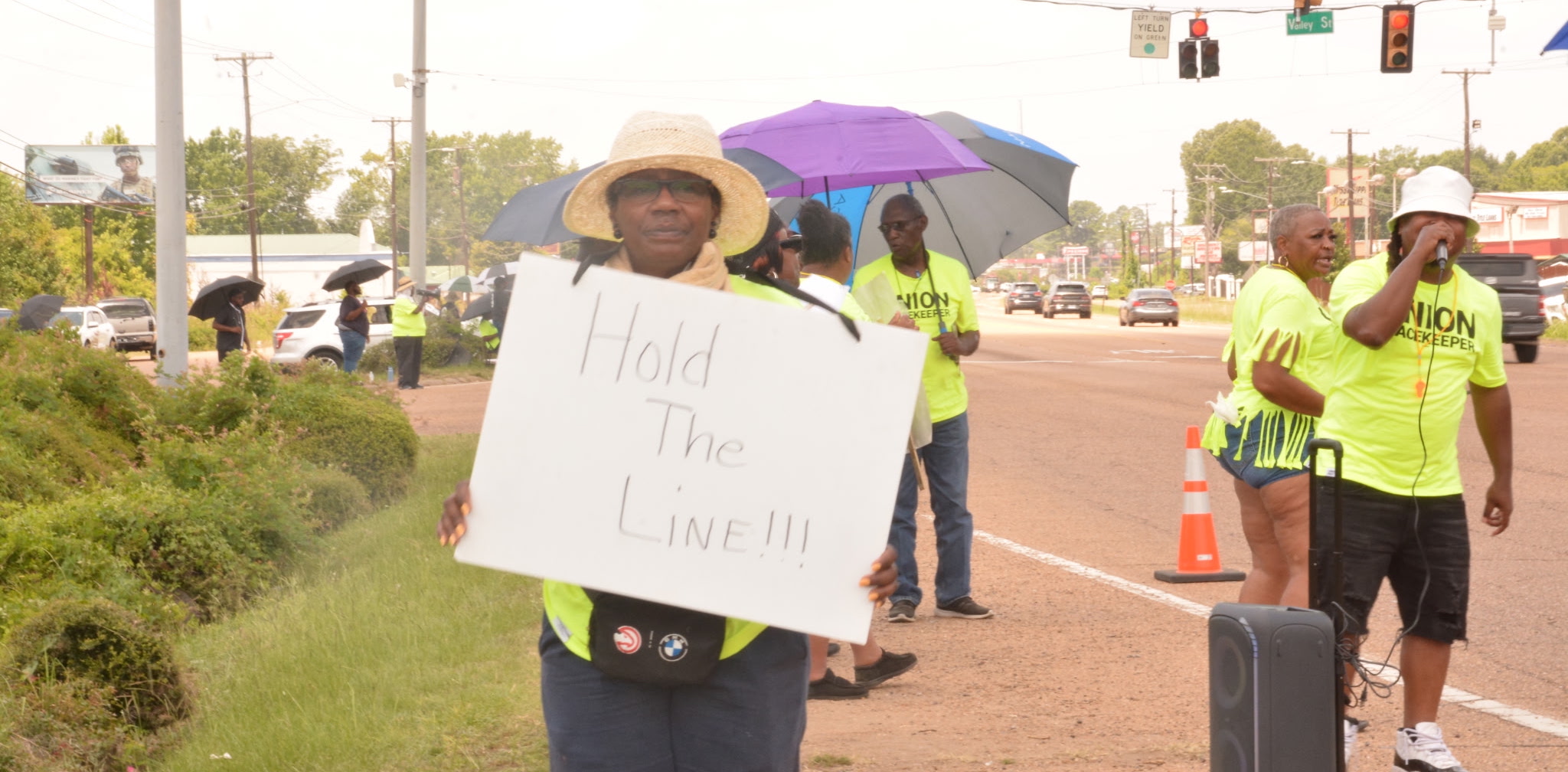
Mississippi has the highest poverty rate in the U.S., and is a “right-to-work” state with only 4 percent of its workers in unions. But since July 13, Highway 80 near Jackson has been lined by chanting picketers. They’re on strike at JTRAN, the city’s public transit system.
Around 1,000 people rely on JTRAN’s services daily, and Transit (ATU) Local 1208 represents its 80 bus operators, mechanics, cleaners, and customer service representatives.

You must log in or register to post a comment.